

Osteopathy in Alicante
Osteopathy in Alicante
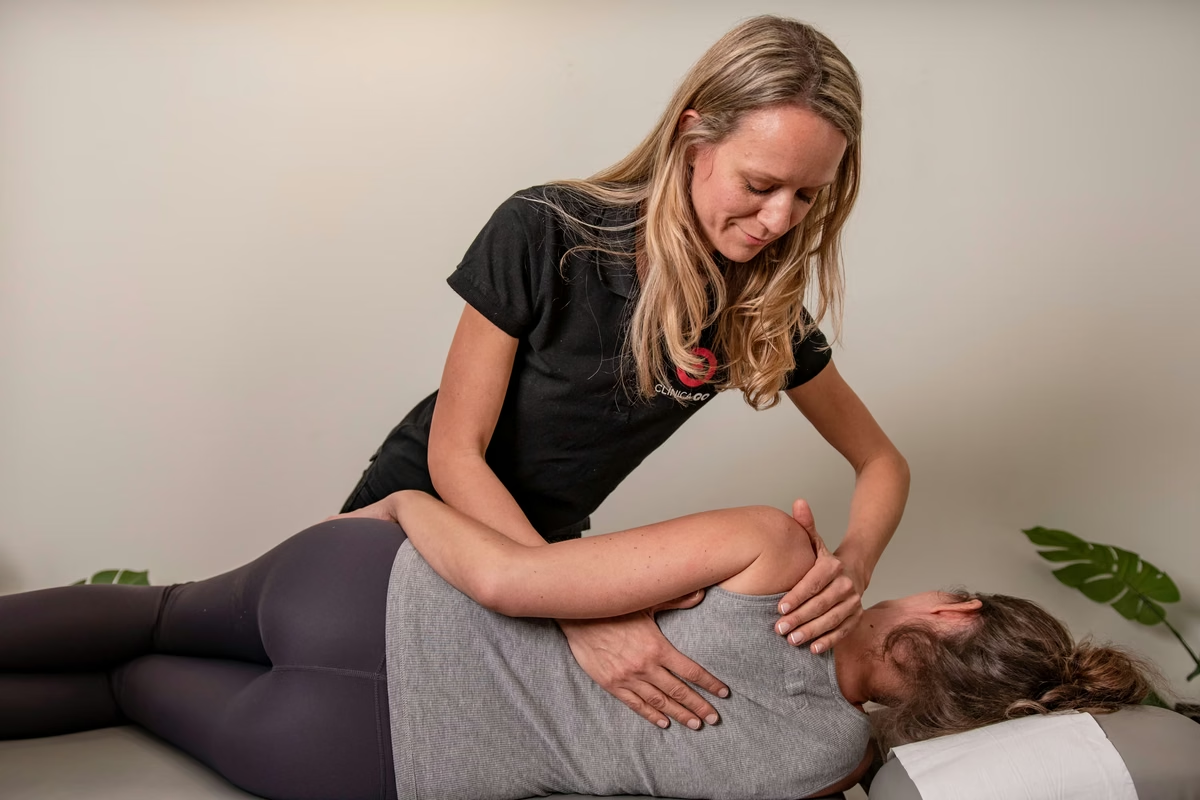
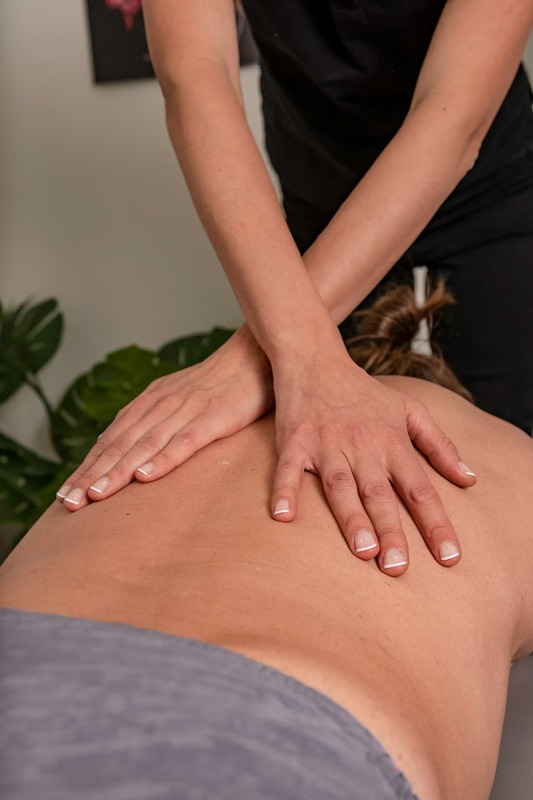
Osteopathy is a gentle manual therapy that addresses the root cause of discomfort, not just the area where it hurts. Using our hands, we release tension in muscles, joints, and tissues so your body can regain its balance and move freely again.
Step by Step
1
Medical History
2
Exploration
3
Treatment
4
House Plan
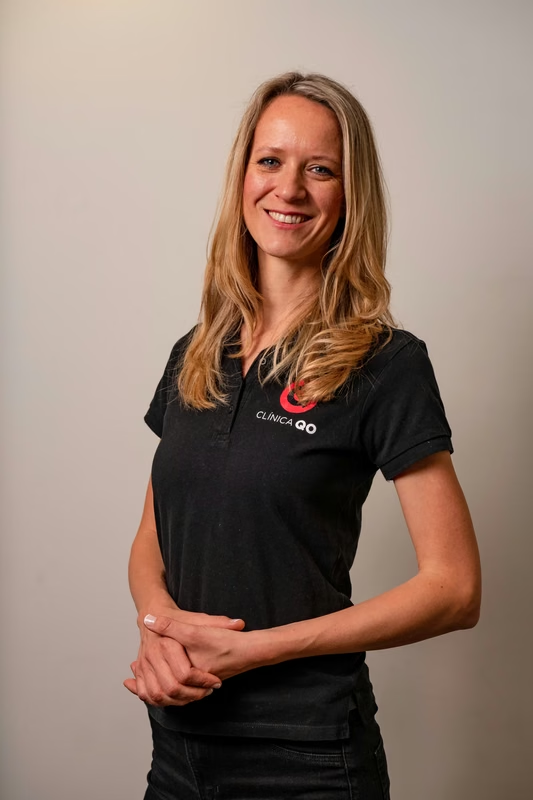
Denise Birdseye
Frequently Asked Questions
What exactly does an osteopath do?
It identifies restrictions in movement and tension throughout the body and treats them using only the hands. The underlying principle: when tissues move freely, the body is better able to find its own balance. The work focuses on three areas: the musculoskeletal system (parietal), the internal organs (visceral), and the cranial and nervous systems (craniosacral).
How is it different from physical therapy or chiropractic care?
The boundaries are sometimes blurred, but the focus shifts:
- Osteopathy: works holistically on tissues, fascia, and organs.
- Chiropractic: focuses on adjusting joints and the spine using quick thrusts.
- Physical Therapy: Focuses on active exercise, muscle strengthening, and restoring movement after an injury.
Is it covered by Social Security?
No. In Spain, osteopathy is not covered by the public health system. However, some private policies or supplemental insurance plans do cover it, typically on a reimbursement basis and under the “complementary medicine” category (for example, certain plans offered by AXA or MAPFRE). It’s a good idea to review your insurance policy, as the terms vary considerably from one company to another.
Do I need a prescription or a referral from a doctor?
To see a private practitioner, no. If you want your insurance to reimburse you for the sessions, the policy may have specific requirements (for example, a medical report): it’s worth checking beforehand.
Does osteopathy hurt?
In general, it’s a gentle treatment. Since we work deeply on the tissue, locating and releasing adhered fascia or trigger points may feel momentarily uncomfortable or “tight,” but it shouldn’t hurt in the traditional sense. Communication during the session is key: always let me know how it feels.
Why do I get sore muscles or feel tired afterward?
This is a normal regulatory response. As tension is released, the body’s posture and circulation change, and the body needs to readjust. That feeling of soreness or fatigue is usually temporary and goes away in a day or two.
Does it really help with digestive problems or menstrual cramps?
This is the visceral aspect of osteopathy. When the structures that support certain organs are tense (for example, after surgery or due to adhesions), gentle manual therapy can help relieve that tension. Think of it as a complementary approach: if you experience persistent discomfort, the first step is always to seek a medical diagnosis.
Is it safe for babies and pregnant women?
It is one of its best-known areas of practice. During pregnancy, osteopathy is used primarily to treat pelvic discomfort. For infants, it is sometimes used after difficult births or in cases of persistent colic, always using very gentle techniques; in these cases, it should be performed by a professional with specific experience and in coordination with the pediatrician.
How many sessions do I need?
For acute discomfort, a clear improvement is usually noticed after 1 to 3 sessions. Chronic problems require more patience. Since the body needs time to respond, there are usually two to six weeks between sessions.
What should I keep in mind next?
Give yourself a little rest. During the first 48 hours, it’s best to avoid intense exercise, saunas, and strenuous physical activity. Drink plenty of water or unsweetened herbal teas to aid in your recovery.
You're just a stone's throw away, in downtown Alicante
Lunch break: 1:45–2:45 p.m.
You are currently viewing a placeholder content from Default. To access the actual content, click the button below. Please note that doing so will share data with third-party providers.
More InformationHappy Patients