

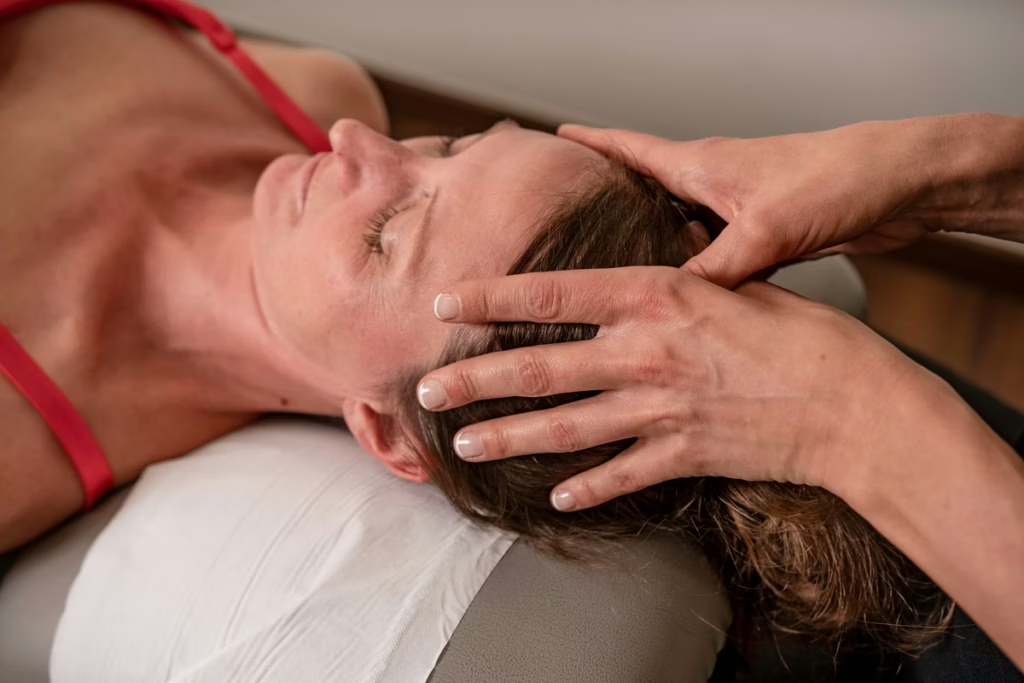
Almost everyone has had one. That tight band around the temples at the end of a long day, the throbbing pain that forces you to turn off the lights, the dull ache that starts at the back of the neck and creeps up to the forehead. We say “I have a headache” as if it were a single thing—and that’s the first mistake—because there are several types of headaches, with different causes and, above all, different solutions.
Knowing which one you have is the first step toward stopping the blind use of pills. Let’s clear this up.
The Three Most Common Types (and How to Tell Them Apart)

Most headaches fall into three main categories. This table is meant to help you get your bearings—not to self-diagnose, but to understand what we’re talking about—:
| Tension-type (the most common) | Migraine | Cervicogenic (originating in the neck) | |
|---|---|---|---|
| How does it feel? | Pressure, like a helmet | Pulsating, “beating” | Deaf, steadfast |
| Where | Both sides | It’s usually just one side | Always the Same Side |
| Intensity | Mild to moderate | Moderate to severe | Mild to moderate |
| Through exercise | It doesn’t get worse | It’s getting worse | No, but I can move my neck |
| Accompanying Persons | Few or none | Nausea, light, and noise are bothersome; sometimes an “aura” | It originates in the neck, with limited cervical mobility |
Tension headaches are the most common type and are related to muscle tension and stress. Migraines are more debilitating and have a neurological component. And cervicogenic headaches are, literally, headaches that originate in the neck.
Did you know…? Regular aerobic exercise—walking, swimming, jogging at a gentle pace—has been shown to be just as effective as some preventive medications in reducing migraines. Exercise isn’t just “good for you in general”; it’s a treatment backed by evidence.
Why Does It Happen? Causes and Triggers
🎬 Promotional video
The most common headaches don’t have a single cause, but rather a combination of factors that are worth knowing about because many of them are within your control:
- Stress, the number one trigger of tension headaches.
- Tension in the neck and jaw (poor posture, nighttime bruxism).
- Not enough sleep… or too much.
- Posture and Screens: Spending hours with your head bent forward while looking at your cell phone or computer.
- Dehydration and caffeine (both excessive intake and sudden withdrawal).
Migraines also have their own triggers: hormonal changes, certain foods and beverages (red wine, aged cheeses…), skipping meals, bright lights or loud noises, and sudden changes in the weather.
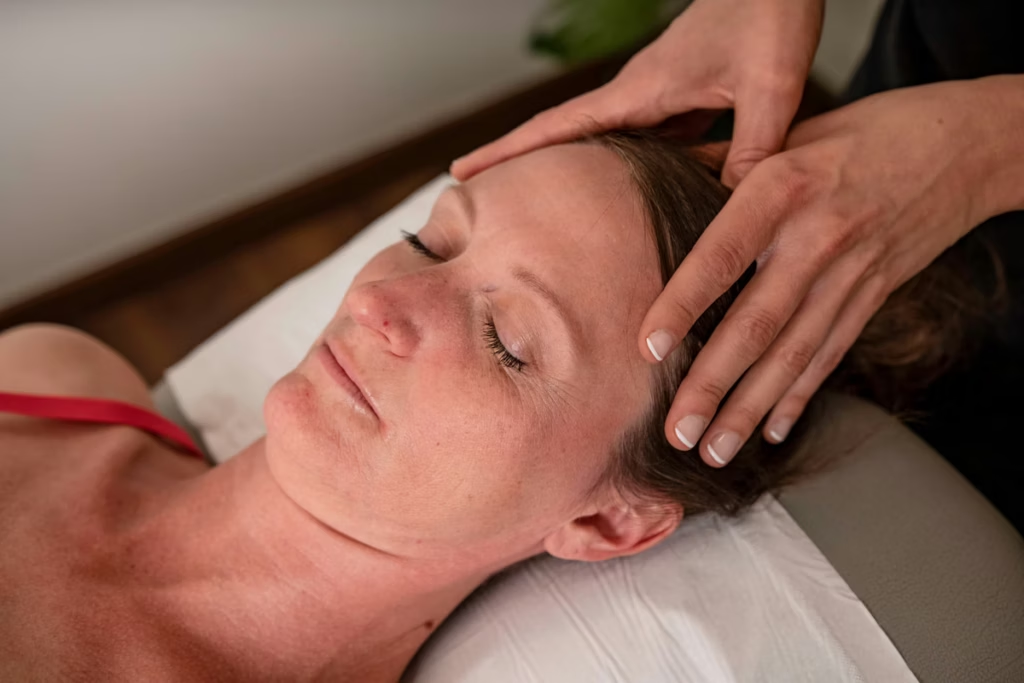
The Connection Between the Neck, Jaw, and Posture
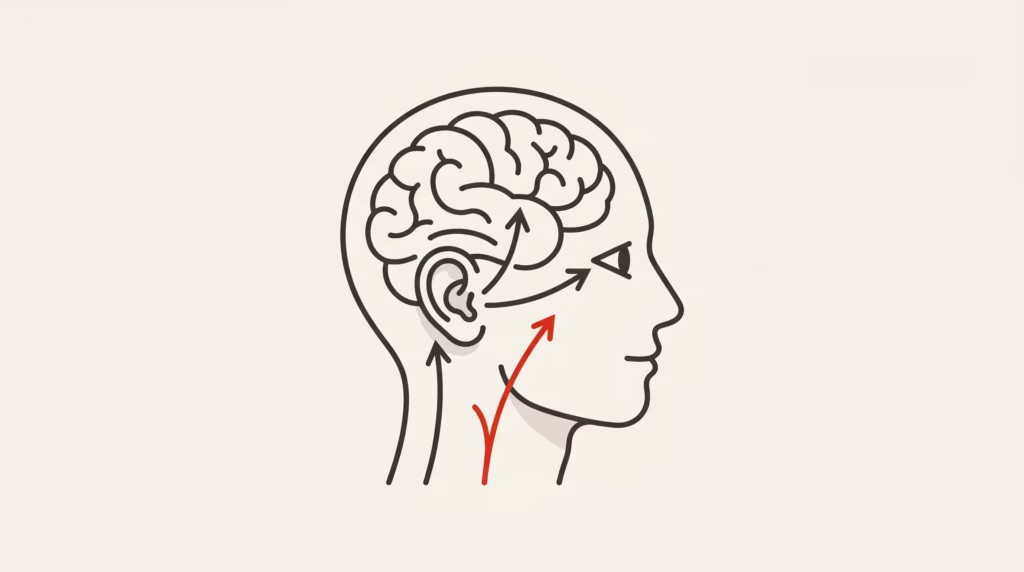
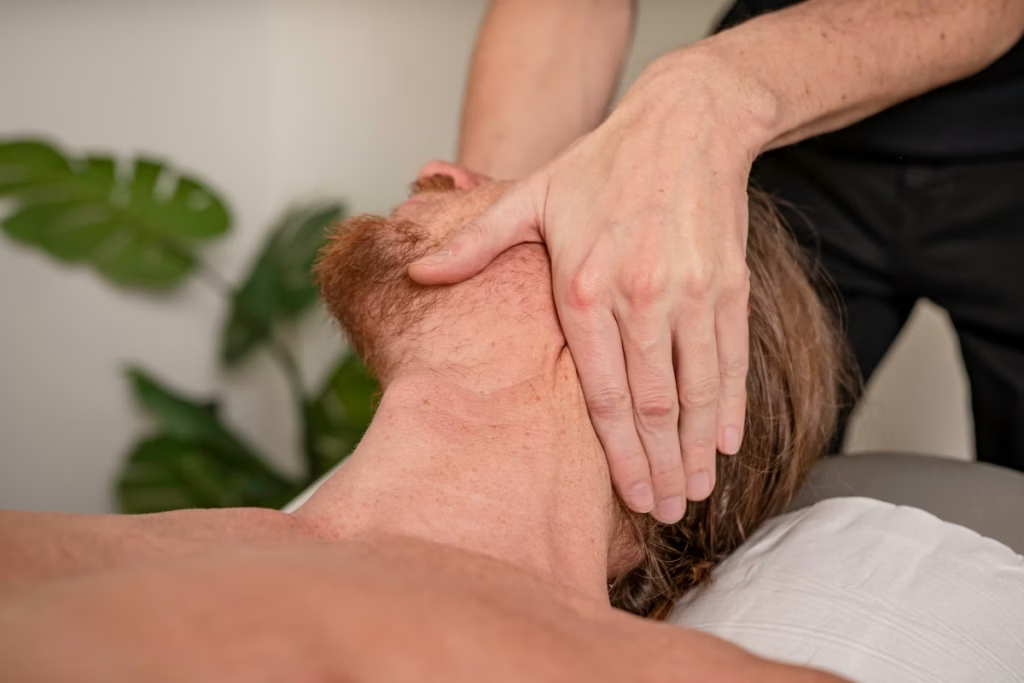
This is where physical therapy can be most helpful. Bruxism —clenching or grinding the teeth, especially at night—overloads the masticatory muscles and is a classic cause of morning headaches. And the forward head posture associated with screen use chronically strains the neck, irritating the structures that connect the neck and head: this is the direct cause of cervicogenic headaches and an aggravating factor for tension headaches.
Translation: Many “head” headaches actually start in the neck and jaw.
Warning Signs: When It’s NOT “Just a Normal Headache”
The vast majority of headaches are benign. However, there are warning signs that require you to seek medical attention immediately to rule out a serious condition:
⚠️ Seek urgent care if your headache:
- It’s sudden and explosive—”the worst of your life”—in less than a minute.
- It is accompanied by a fever and neck stiffness (you can’t bring your chin to your chest).
- It appears after a blow to the head, or gets worse as the days go by.
- It is accompanied by neurological deficits: weakness, numbness, difficulty speaking, double vision, and confusion.
- It wakes you up at night, or it’s worse when you wake up, with nausea or vomiting.
- It’s a new symptom if you’re 50 or older, or a change in your usual pattern if you already had headaches.
What Really Works: Beyond the Pill
The management of common headaches is multimodal, and medications are neither the first nor the only option.
- Stress Management. Relaxation, breathing exercises, mindfulness, and cognitive-behavioral therapy reduce the frequency and intensity of tension headaches and migraines.
- Regular exercise. Moderate, consistent aerobic exercise: one of the cornerstones, backed by solid evidence.
- Sleep Hygiene. Regular schedules make a difference.
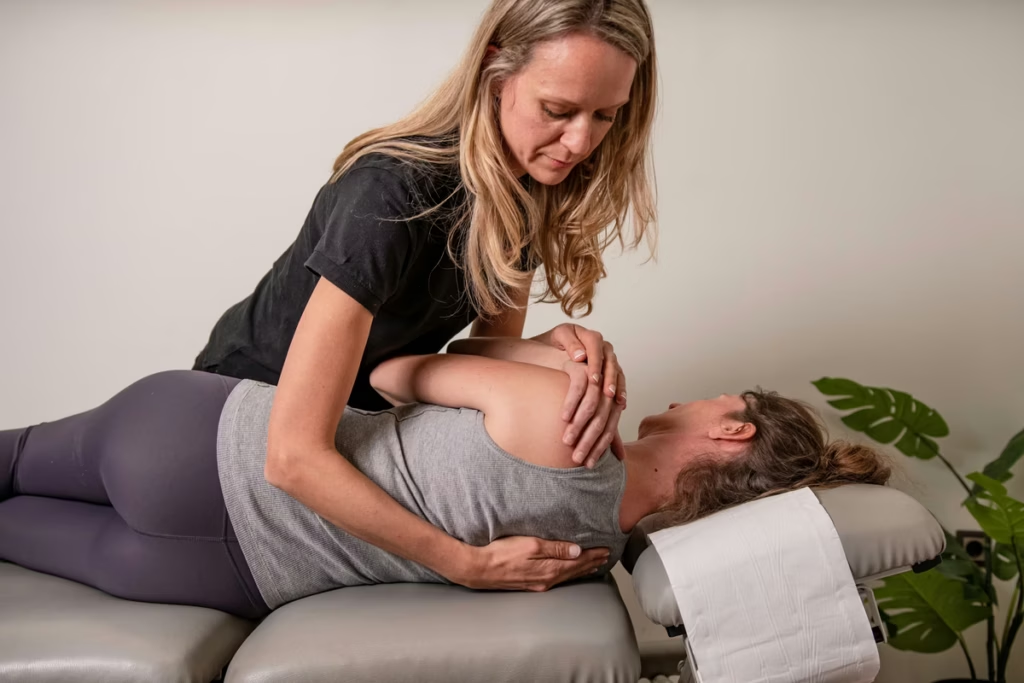
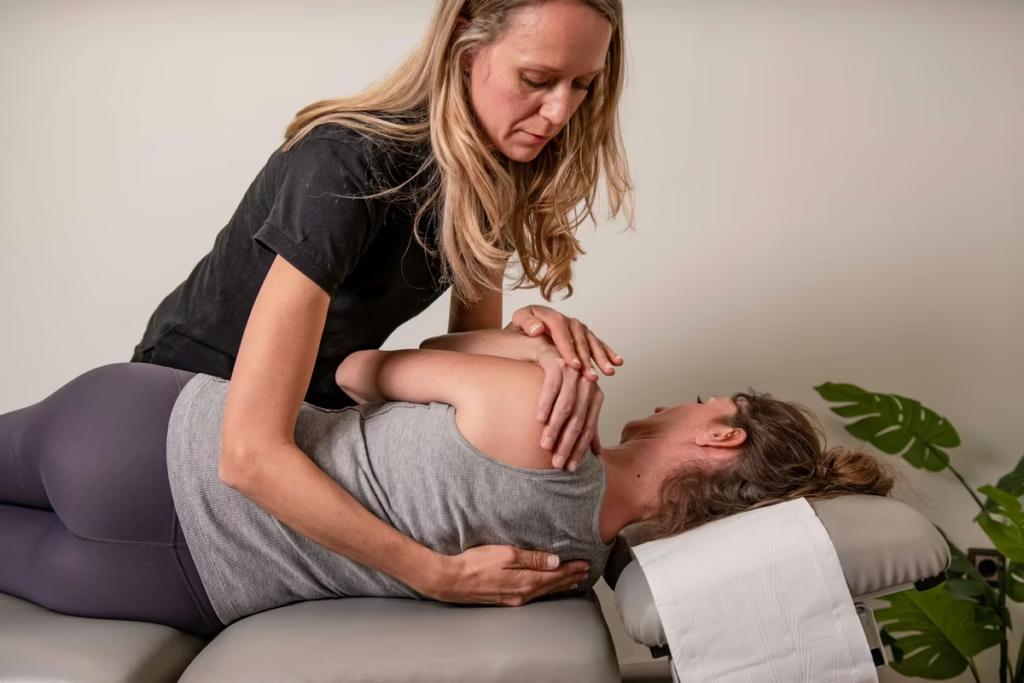
- Manual therapy and physical therapy for tension headaches and cervicogenic headaches: neck mobilization, trigger point therapy, and, above all, exercise. This combination yields the best results.
- Migraine: acute treatment of attacks and, if they are frequent, preventive treatment. In this case, an evaluation by a neurologist is recommended.
⚠️ Be careful not to overuse pain relievers. Taking painkillers for many days a month (more than 10–15, depending on the medication) can, paradoxically, make the pain chronic: this is known as “medication-overuse headache.” If you need pills almost every day, it’s a sign that you need a plan—not more pills.
When should you see a doctor?
Beyond the warning signs, you should make an appointment if: you have a headache more than once a week; it interferes with your work, sleep, or social life; pain relievers don’t work or you need them very often; or your headache pattern changes. A practical tip: Keep a short headache diary (when, how long, what you took, what you were doing). It’s invaluable for getting the right diagnosis.
In summary
Let’s go back to that tight band around your temples at the end of the day. Now you know it’s not just “a headache”: it has a specific type, specific causes, and—very often—an origin in the neck, jaw, or stress that can actually be addressed. A pill might get you out of a tight spot, but it rarely solves the underlying problem.
If you suffer from recurring headaches, there’s a lot you can do before resigning yourself to living with them—starting with figuring out what kind of headache it is.
Frequent headaches? At Clínica QO (Alicante), we assess the cause of your headache—whether it’s related to your neck, jaw, posture, or stress—and design a plan to reduce its frequency, in your language.
Frequently Asked Questions
How do I know what kind of headache I have?
Based on their characteristics: tension headaches feel like a tight band on both sides of the head; migraines are throbbing, on one side, and are accompanied by nausea and sensitivity to light; cervicogenic headaches originate in the neck and always occur on the same side. A healthcare professional can confirm this.
Can a headache come from the neck?
Yes. Cervicogenic headache originates in the cervical spine, and neck and jaw tension (including bruxism) is a very common cause of tension headaches and morning headaches.
What works best for tension headaches?
Stress management, regular exercise, sleep hygiene, and physical therapy/manual therapy for the neck—best when combined. Pain relievers provide temporary relief, but should not be the main treatment.
When should I be concerned about a headache?
If it is sudden and extremely severe, is accompanied by a fever and neck stiffness, occurs after a blow to the head, is accompanied by neurological symptoms, wakes you up at night, or is a new symptom that began after age 50, seek medical attention.
Is it bad to take a lot of pain relievers for a headache?
Yes. Overusing pain relievers (more than 10–15 days a month) can cause the pain to become chronic—a condition known as medication-overuse headache. If you need them almost every day, see your doctor to develop an appropriate plan.
Sources and Reference Guides
- IHS — International Classification of Headache Disorders (ICHD-3): https://ichd-3.org/
- NICE — Headaches in people over 12: diagnosis and management (CG150): https://www.nice.org.uk/guidance/cg150
- Cochrane / reviews on manual therapy for tension-type and cervicogenic headaches: https://www.cochranelibrary.com/
- MedlinePlus (NIH) — Headache: https://medlineplus.gov/spanish/headache.html